Kavirt usuario: Rider-driven fare offers for Bogotá commuters
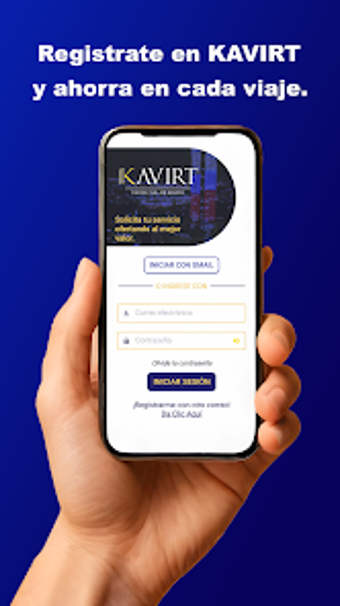
Kavirt usuario from KAVIRT gives riders control over their trip fare by letting passengers propose a fare for each journey, then matching those requests with available drivers. The app handles trip requests, real-time vehicle monitoring, and in-app wallet transactions so passengers can pay without cash. It also records trip histories and shows driver details before boarding. Targeted at urban commuters in Bogotá, it appeals to riders who prefer negotiating fares directly.
How the app implements rider-proposed fares
The app replaces fixed-rate models by allowing passengers to suggest a fare for every trip, and drivers choose whether to accept that suggestion or negotiate. Users send a trip request with a proposed fare and the system offers matching to nearby drivers. Accepted trips proceed to in-app settlement through the wallet, while rejected requests return to the user for a new offer or cancellation.
How the app interacts with Android system resources
The app is available for Android and requires standard permissions such as location and internet access, which it uses for real-time vehicle monitoring. The developer updates the application regularly to keep compatibility with current Android releases. Because tracking relies on location permission, the app communicates vehicle position during active trips and depends on the device's GPS and network connectivity for that feature to function.
Is the platform designed around practical safety and transaction safeguards?
The platform pairs fare negotiation with safety controls: drivers are verified and the app provides driver and vehicle details before boarding, while trips are monitored in real time. Payments route through the integrated KAVIRT Wallet and trip history keeps a record of journeys and transactions. The service also advertises 24/7 customer support to address disputes or incidents reported by riders or drivers.
Can everyday commuters use the app without technical expertise?
The target audience is urban commuters in Bogotá, so the app bundles common mobility functions such as trip requests, driver details, and an integrated wallet to suit non-technical users. Nonetheless, the negotiation model asks riders to propose fares, which introduces a social element: successful matches depend on local fare expectations and driver agreement, so occasional trial and adjustment may be necessary for swift acceptance.
The app suits riders who want fare control but expect regional limits
The app is a practical option for Bogotá commuters who want to propose their own fares and avoid cash transactions; a key trade-off is that acceptance depends on driver agreement and the service is concentrated in one city. Practical tip: submit offers close to local norms or request rides during higher driver availability to improve match chances. Recommended.